The first lip filler appointment gets most of the attention, yet the quiet secret to consistently beautiful lips is how you maintain that result over time. A well‑timed top up keeps contours crisp, volume even, and texture smooth, without drifting into “overfilled” territory. I have watched patients thrive with small, strategic maintenance, and I have also seen people chase swelling rather than settled results. The difference comes down to timing, product choice, and a plan.
This guide explains when a lip filler top up makes sense, why you might need one earlier or later than your friend, and how to judge what your lips truly require. It also covers the nuances: what lip filler feels like after a few months, how to avoid migration, the role of hydration and metabolism, and how to request subtle lip filler that ages well.
What a top up actually is
A top up is a conservative maintenance treatment performed after your initial lip augmentation has settled. Rather than starting from scratch, your injector builds on the foundation you already have. The goal is to keep definition, restore softness, or fine‑tune symmetry as the filler gradually metabolizes. In many cases this means adding 0.3 to 0.7 ml, not a full syringe. Some patients do well with a micro top up of 0.1 to 0.2 ml along the vermilion border to bring back lip border definition, then nothing more for months.
Most modern lip injections rely on hyaluronic acid gel. This is a temporary lip filler designed to integrate with the tissue, hold moisture, and break down predictably. The top up approach works because HA fillers are adjustable, reversible, and incremental. You can also dissolve lip filler with hyaluronidase if needed, which creates a safety net when refining shape or correcting filler for asymmetry.
How long lip filler lasts, in the real world
Manufacturers commonly state that lip filler lasts 6 to 12 months. That range is honest, but incomplete. The lip area is mobile and richly vascularized, which means filler tends to soften faster than in a less dynamic area like the cheeks. In active, high‑metabolism patients, noticeable volume can ease up by month 4. In others, especially those with thicker tissue or lower activity, a pleasing result can sit comfortably for 9 to 12 months or more. I see mature patients who maintain structure longer, but request early top ups to keep hydration and vertical line support.
Expect different phases. The first week brings the lip filler swelling stages and occasional bruising. Three to four weeks out, you see the true shape after the lip filler healing process completes. Months 2 to 4 usually show the most natural looking lip filler results, with the product fully integrated. After that, the edges may soften, the cupid’s bow becomes less crisp, and corners can drop a touch. Those changes are your early signs to consider a lip filler touch up.
When a top up tends to be ideal
There is no single calendar marker. Instead, look for the combination of time since treatment, symptoms of volume loss, and your goals.
- A first top up often occurs 3 to 6 months after the initial appointment. Newly treated lips metabolize filler a bit faster as your body adjusts, and we are still learning how your tissue holds volume. After the first year, many patients settle into a 6 to 12 month maintenance rhythm, with small amounts to maintain lip definition and corner support. People who prefer very subtle lip filler tend to top up earlier, since even minor volume change is noticeable against a delicate enhancement. Athletes, fast metabolizers, and those with high NEAT activity sometimes need a 4 to 6 month interval. If you smoke, drink heavily, or spend long hours in the sun, plan for shorter longevity. These factors speed hyaluronic acid breakdown and dehydration.
A good rule of thumb is to book a lip filler consultation when you notice two or more of the following: lipstick bleeds over the edge again, the upper lip tilts inward when you smile, vertical lines reappear, or corners look tired in photos. Those small cues tell you more than a date on the calendar.
Reasons to schedule sooner
Sometimes you should not wait the standard 6 months. Address sooner if you see shape issues or function concerns:
- Asymmetry you did not notice at first, now visible under even lighting. Minor differences are normal, but clear unevenness can be refined with a microdose. Lip filler migration, the faint “ledge” above the vermilion border or a puffiness that blurs the philtrum. This often requires dissolving a portion, then re‑building cleanly after 2 to 4 weeks. A top lip filler only session that left the bottom lip under‑supported. Balance matters for a natural profile. A small bottom lip filler only top up often solves the issue. Volume heaviness that drops the corners. In this case, we do the opposite of a top up: we remove a touch and place smaller aliquots laterally or at the oral commissures to lift corners. Texture dryness despite balm, especially in mature lips or in dry climates. Hydrating lip filler with low G’ (softer gels) can restore smoothness without bulk.
When to hold off
Not every dip in volume needs more filler. Swelling can make you think product has faded when it is simply settling. The first 2 to 3 weeks after treatment are not the time to judge results. Avoid topping up while edema is present. If you are recovering from dental work, an oral infection, or an active cold sore, delay. If you are pregnant or breastfeeding, reputable clinics will advise waiting.
I also advise caution if you have not yet adapted to your new look. Some patients experience a mild “volume dysmorphia” early on, especially if they spent years fixating on thin lips. Give yourself a few weeks with makeup, photos, talking, and smiling in different settings. Familiarity often resolves the urge to add more.
Choosing the right product for maintenance
The types of lip fillers vary in cohesivity, elasticity, and water affinity. For top ups, I usually favor soft to medium HA gels that fold into the existing structure without creating new lumps. A firmer gel can be helpful at the vermilion border for crispness, or along the philtral columns for enhancing the cupid’s bow, but that decision depends on lip thickness and motion.
There is no single best lip filler or best filler for lips across the board. Brands offer families of gels tailored to different needs: volume, definition, hydration, or support. If your goal is lip filler for volume, a slightly more elastic gel can withstand motion. For lip filler for definition and filler for lip border definition, a cohesive, precise gel is useful in micro‑threads. For lip filler for smokers lines or vertical lines, a low viscosity hydrating gel often gives the smoothest result without protrusion.
Permanent lip filler or implants may sound efficient, but they limit future adjustments and carry higher risk of visible irregularities as tissues change over time. For most patients, temporary lip filler is safer and more predictable. If you previously had implants or permanent filler, top ups can still be done, but plan for careful mapping and possibly ultrasound to avoid complications.
The calendar of a smooth top up
You will hear many opinions about how often to get lip filler. I prefer a personalized cadence based on how long your filler takes to settle, how your lips look in month three, and your comfort with micro‑maintenance.
A practical pattern looks like this: initial appointment with 0.6 to 1.0 ml, a check at week two to ensure even settling, then a small top up at month three to refine edges and address tiny dips. After that, reassess at month six to nine. If everything looks good, you can skip to month twelve. If you want consistent plump lips treatment without the roller coaster effect, the top up prevents the “full then flat” cycle.
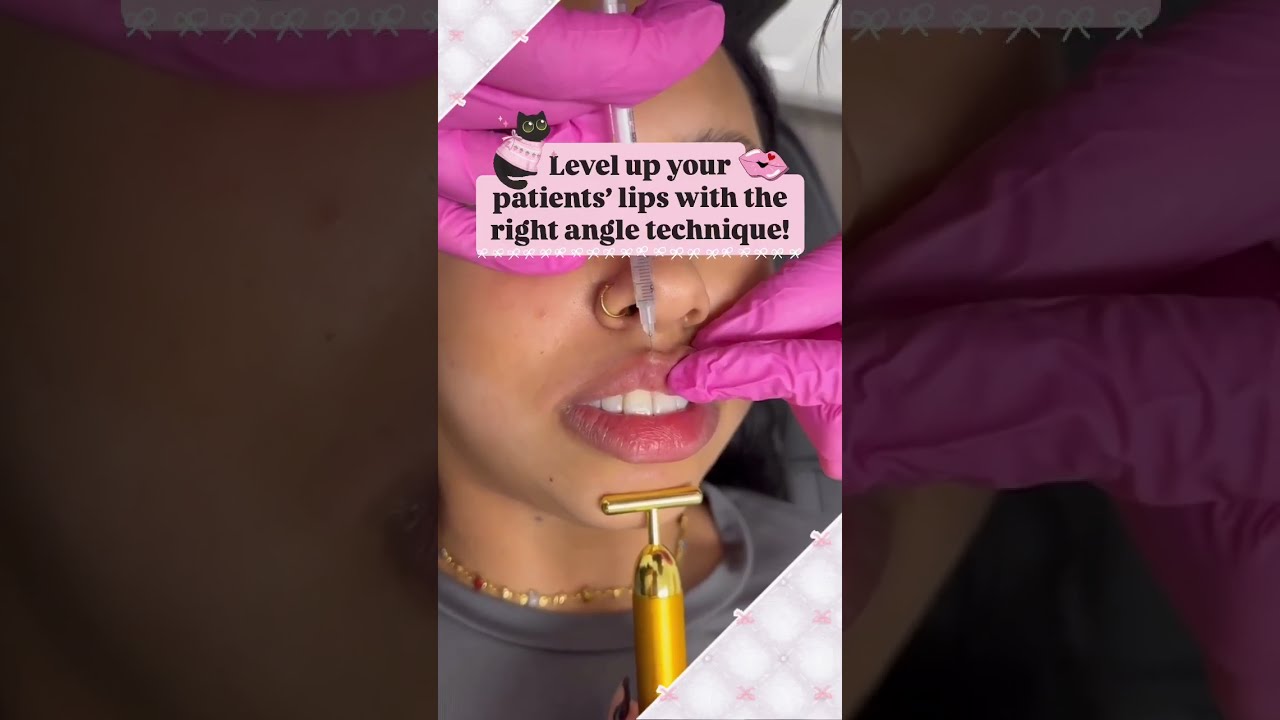
Top ups rarely take as long as your first appointment. Plan for 20 to 30 minutes, plus another 10 minutes for aftercare and photos. You may have less swelling the second or third time around, though each person varies. Budget for minor bruising and a one‑to‑two day window where the lips feel a bit firm or tender.
What top ups feel like and the pain level
Numbing is standard. Most modern HA fillers include lidocaine inside the gel, so the first few passes are the only part you truly notice. Patients describe it as a pinch, pressure, or “zing” at the border. The lip filler pain level is often lower during top ups because you need less volume and fewer passes. That said, nerves are denser at the midline and in the cupid’s bow, so brief stings are normal. Cooling, vibration distraction, and slow injection speed help a lot.
Afterward, the lips may feel tight for a day, like you are wearing a snug lip balm. Sipping through a straw can feel odd. Kissing can wait 24 to 48 hours. Does lip filler affect kissing? Not once it settles. The texture feels like your own lips because the gel sits within the tissue, not on top of it.
Top up strategy by goal and lip type
No two lips age or animate the same way. A few patterns show up repeatedly in clinic:
For thin lips seeking natural looking lip filler, top ups focus on structure. We place micro‑threads along the border and the cupid’s bow, then a whisper of volume in the body. Top ups every 4 to 6 months keep the scaffolding intact without widening the lip too much.
For mature lips, the priorities shift to moisture, vertical line support, and corner lift. A hydrating lip filler or a soft gel restores smoothness while preserving expression. Expect a gentle top up at 4 to 8 months rather than a big rebuild at 12.
For men, the goal is subtle lip filler with strength, not gloss. We avoid over‑projecting the top lip and maintain a flat or slightly convex profile. Top ups emphasize symmetry and hydration more than visible volume.
For asymmetry, top ups are an art of unequals. We place slightly more on the smaller side, then wait three to four weeks before adjusting again. Rushing this leads to overcorrection. If the asymmetry stems from dental occlusion or muscle pull, we may pair a lip filler vs lip flip approach, using a small dose of botulinum toxin to ease the orbicularis oris and reduce lip tuck without adding bulk.
For shape correction or enhancing cupid’s bow with filler, top ups help maintain definition after the initial sculpt. The bow tends to soften first, especially on expressive faces. A tiny border top up restores the characteristic “M” without increasing size.
Costs and how to budget
Lip filler cost varies by region, brand, and provider expertise. In most cities, a full syringe ranges from moderate to high hundreds, sometimes more in major markets. Top ups cost less because you are using partial syringes, but not all clinics sell half units. Ask whether your provider offers a banked syringe system, where the unused amount is stored for a short period for your next visit. Some do, many do not.
Think of maintenance as part of the plan, not a surprise. A realistic budget might include an initial syringe, then one or two micro top ups through the year. This is usually more cost‑effective than letting everything fade and repeating a full build.
Aftercare that preserves your result
The lip filler aftercare for top ups mirrors your first treatment, though swelling may be milder. I advise cool compresses in brief intervals the first day, sleeping on your back the first night, and avoiding intense exercise for 24 hours to limit bruising and spread. Can you eat after lip filler? Yes, once the numbing wears off. Choose soft, not spicy or very hot foods that first evening. Hydration helps the HA gel sit nicely, so drink water through the day.
Makeup can typically go back on after 24 hours. If you must apply sooner, use a new or sanitized lip brush to reduce the risk of introducing bacteria through the tiny entry points. What not to do after lip filler includes heavy lip massages unless instructed. Some techniques call for gentle smoothing at home, but most top up placements do not require pressing. If you see a small lump, wait a few days. If it persists, your injector can soften it in clinic.
How to make lip filler last longer
You cannot hack your biology, but you can reduce needless breakdown. A few habits matter. Stay hydrated so the HA gel maintains its water content. Use SPF lip balm daily. Avoid smoking and minimize frequent heat exposure like prolonged saunas when possible. Heavy lifting right after treatment is unwise; long‑term, fitness is not an enemy, but high‑intensity training can slightly increase metabolism of fillers. That is a trade‑off, not a prohibition. Sleep matters too. Sleeping after lip filler on your back the first night helps. After that, any position is fine.
Skincare around the mouth, not on the lips themselves, supports the canvas. Gentle retinoids and peptides at the border can reduce lipstick bleed lines over time. If you grind your teeth or clench, address it. The muscular pull that rolls the upper lip inward will fight your filler. A small lip flip or masseter relaxation can assist, depending on your anatomy.
Managing expectations and avoiding common mistakes
If this is your first time lip filler top up, resist the urge to chase yesterday’s swelling. The best lip filler results look soft in conversation and balanced in profile. Overfilling to keep a “freshly done” look causes bulk, throws off proportions, and increases risk of filler migration. If you worry your lips are too subtle, live with them for a couple of weeks. Daytime light, photos, and a swipe of lipstick change everything.
Lip filler gone wrong headlines often point to migration, lumps, or unnatural shapes. Technique matters. A skilled injector respects the lip’s planes and dosing limits. Patients play a part too. If you hop injectors every session and request different techniques each time, you increase the risk of irregular layering. Commit to a plan with one provider for at least the first year. If something feels off, ask for a review. Timely dissolving is not a failure. It is a course correction that often leads to better, longer‑term results.
Safety, reversibility, and knowing when to dissolve
Is lip filler safe? In trained hands with hyaluronic acid products, the safety profile is strong. The most common lip filler side effects are swelling, tenderness, and bruising. Rare but serious vascular events require immediate management, which is why you want a clinic that carries hyaluronidase and knows how to use it. Can lip filler be reversed? Yes, HA fillers can be dissolved. If you see clear migration, ducky projection, or an uneven shelf that does not respond to smoothing, dissolving part or all of the filler may be the smartest path before a clean rebuild.
If a patient asks, do lip fillers stretch your lips, the honest answer is that temporary fillers, when used judiciously, do not permanently stretch lips. Over time and with overfilling, you can see tissue changes. That is another reason to value small, well‑timed top ups over big, infrequent Visit website overhauls.
Lip filler vs. other options when planning maintenance
A top up is not your only lever. Some patients compare lip filler vs lip flip maintenance. A lip flip softens muscle activity around the mouth so the upper lip unfurls slightly. It does not add volume but often prolongs the impression of fullness between top ups. Others ask about the difference between lip filler and Botox for lines. Filler supports etched lines, while toxin reduces new creases from movement. Used together in small, precise amounts, they can reduce how often you feel the need for volume.
Lip implants are another route, but they are less forgiving if you want to adjust shape seasonally or respond to changes in your face over the years. For most, a flexible plan with temporary filler and occasional muscle modulation hits the sweet spot.
Preparing for a seamless top up
Good pre‑lip filler instructions are the same whether it is your first visit or a maintenance session. Avoid blood thinners when medically safe to do so, such as high‑dose fish oil, aspirin, and certain supplements like ginkgo for several days prior. Skip alcohol the night before. Have a clean makeup‑free face. Tell your injector if you are prone to cold sores. A preventative antiviral can save you a week of discomfort.
If you like structure, a brief checklist helps you arrive calm and ready.
- Confirm you are at least three weeks past your last filler and fully settled, unless you are addressing a specific issue like migration. Collect reference photos of your favorite lip filler before and after looks, ideally your own images under natural light. List your priorities in order, for example: border definition, then corner lift, then central volume. Share your medical history, medications, and any past lip filler side effects or allergies. Plan 24 hours of low‑key activity post treatment and stock a simple lip balm and SPF.
What to ask your provider at the top up consultation
Come with focused questions rather than a long wish list. I like patients who ask how much product is truly necessary, what technique will be used, and how to fix uneven lips with filler if they see a specific asymmetry. Ask about the brand and the gel’s properties, not just the label. Clarify how long does lip filler take to settle in your case and when to review for touch‑ups. If you are curious about natural lip filler looks, request a conservative plan for the first 24 months. That buffer protects against creep toward larger volumes.
If you have specific lifestyle concerns, bring them up. Can you work out after lip filler? Light movement the next day is fine. Heavy lifting and hot yoga can wait 24 to 48 hours. Does lip filler change your smile? A skilled injector will test your smile during treatment and avoid blocking the philtral columns or lower lip mobility. Does it affect kissing? Not after it settles. Most partners cannot tell you have filler by feel.
The role of photography and self‑assessment
Photos reduce guesswork. Good front and three‑quarter angles captured in the same light let you see lip filler over time without the distortion of memory. Compare how much of the wet vermilion shows at rest, how the cupid’s bow reflects light, and whether the lower lip still leads the upper by a small but aesthetically pleasing margin. If your photos show that balance drifting, it is time for a consult, not necessarily an automatic top up.
My take on longevity and restraint
Patients sometimes ask if lip filler is addictive. The product is not, but the quick change can be. That is where restraint and a maintenance plan matter. If you schedule a review at the three to four month mark, most of the time you will choose a micro top up or none at all. The review anchors the decision in evidence rather than impulse.
Longevity is not only about the filler’s chemistry. It is also about technique, placement depth, how your lips move, and your overall facial proportions. A filler that lasts “only” six months but holds perfect shape is often better than a stiffer gel that lingers a year yet looks heavy. Your lips are part of your expression. Treating them as living anatomy, not a fixed object, is the path to consistently beautiful, natural results.
Finding the right injector for long‑term care
“Lip filler near me” searches bring up countless options. Read beyond star ratings. Look for portfolios that show restraint, clean borders without a mustache‑shadow puff, and diversity in outcomes for thin, mature, and male lips. Ask how the clinic handles lip filler swelling vs bruising, what their emergency protocol is, and whether they carry hyaluronidase. A thoughtful lip filler appointment checklist and clear post‑lip filler care instructions are green flags. Consistency over time beats a dramatic one‑off.
Final thoughts before you book
Top ups are not about chasing fullness. They are about keeping harmony, definition, and softness as your filler fades. If your lips looked great at week four and now feel a touch flat around month five, a small top up returns you to that sweet spot. If something feels off at week one, wait to settle and then reassess with your injector. The calendar is a guide, but your photos, your mirror, and your smile in motion tell the real story.
When you plan your maintenance with intention, lip enhancement becomes low‑drama and high‑reward. Subtle top ups, smart aftercare, and honest communication with a trusted provider give you results that wear well year after year.
" width="560" height="315" frameborder="0" allowfullscreen="" >